
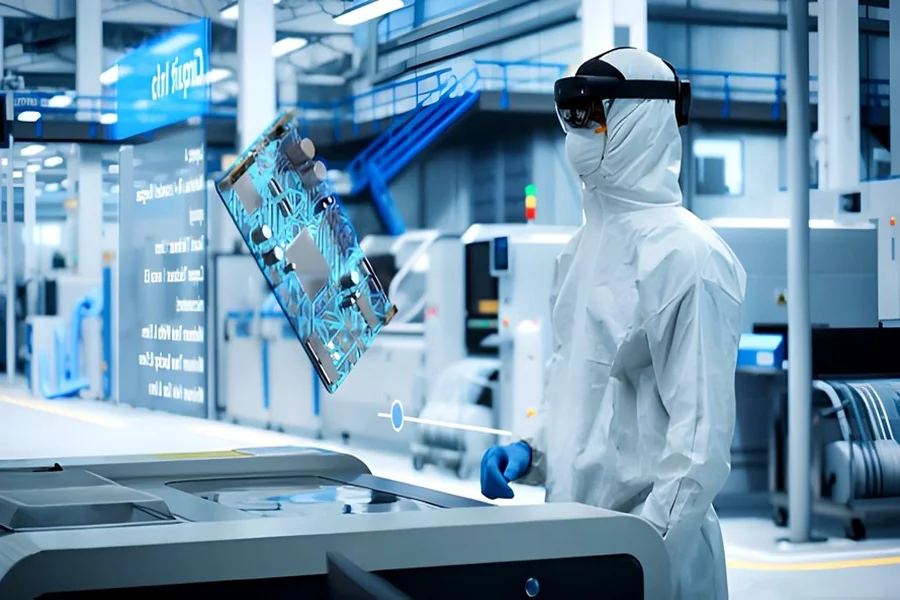
Through hole PCB assembly is a traditional yet highly reliable method used in electronic manufacturing where component leads are inserted into drilled holes on a printed circuit board and soldered in place. Despite the rapid growth of surface mount technology, through hole PCB assembly continues to play a critical role in applications that demand mechanical strength, long-term durability, and high electrical reliability. This assembly method is especially valued in environments where products are exposed to vibration, thermal stress, or physical handling.
Through hole PCB assembly remains a preferred choice for many industrial, automotive, aerospace, and power-related applications. Its proven performance and robust structure make it an essential process in modern electronics manufacturing, particularly when reliability is more important than miniaturization.
How Through Hole PCB Assembly Works
The process of through hole PCB assembly involves carefully inserting component leads through pre-drilled holes in the PCB and securing them using solder. This creates strong mechanical bonds between the component and the board, ensuring long-lasting performance.
Component Insertion and Preparation
In through hole PCB assembly, components such as resistors, capacitors, connectors, and transformers are prepared with leads designed to pass through the PCB. These leads are inserted either manually or using automated insertion equipment, depending on production volume and complexity. Proper alignment during insertion is essential to maintain consistency and reduce assembly defects.
Soldering and Mechanical Stability
Once components are placed, soldering is performed to permanently bond the leads to the PCB pads. Wave soldering is commonly used in through hole PCB assembly for higher-volume production, while selective soldering may be applied for mixed designs. This soldering method provides superior mechanical strength, which is a key advantage of through hole PCB assembly over other techniques.
Key Advantages of Through Hole PCB Assembly
Through hole PCB assembly offers several advantages that make it indispensable in specific applications where performance and reliability are critical.
Superior Mechanical Strength
One of the most significant benefits of through hole PCB assembly is its mechanical durability. Since component leads pass through the board and are soldered on the opposite side, they are firmly anchored. This makes through hole PCB assembly ideal for components that experience physical stress, frequent plugging and unplugging, or high vibration.
High Reliability in Harsh Environments
Through hole PCB assembly performs exceptionally well in harsh operating conditions. Industrial machinery, power equipment, and aerospace systems often rely on through hole components because they maintain stable electrical connections even under extreme temperatures and mechanical shock.
Design Considerations for Through Hole PCB Assembly
Effective design is crucial for achieving high-quality results in through hole PCB assembly. Design decisions directly affect manufacturability, performance, and cost.
Hole Size and Lead Spacing
Accurate hole sizing is essential in through hole PCB assembly. Holes must be large enough to accommodate component leads while ensuring sufficient solder flow for strong joints. Proper spacing between holes also helps prevent solder bridging and ensures electrical isolation.
Board Thickness and Material Selection
Through hole PCB assembly often uses thicker boards to support heavier components. Selecting the right PCB material and thickness enhances structural integrity and thermal performance, especially in power and industrial applications.
Quality Control in Through Hole PCB Assembly
Quality assurance is a critical part of through hole PCB assembly, as these boards are often used in mission-critical systems.
Inspection and Process Monitoring
Inspection methods such as visual checks and automated inspection systems are used to verify solder joint quality and component placement. In through hole PCB assembly, ensuring complete solder penetration through the hole is vital for both electrical conductivity and mechanical strength.
Long-Term Performance Validation
Products assembled using through hole PCB assembly often undergo rigorous testing to confirm long-term reliability. Thermal cycling, vibration testing, and electrical performance checks help ensure that assemblies meet industry standards and application-specific requirements.
Applications of Through Hole PCB Assembly
Through hole PCB assembly is widely used across industries where durability and reliability outweigh the need for compact size. Power supplies, industrial controllers, automotive electronics, aerospace systems, and medical devices frequently incorporate through hole components due to their robust construction.
In many hybrid designs, through hole PCB assembly is combined with surface mount technology to balance strength and space efficiency. This approach allows manufacturers to leverage the advantages of both assembly methods within a single product.
Challenges in Through Hole PCB Assembly
While through hole PCB assembly offers excellent durability, it also presents certain challenges that manufacturers must address.
Higher Production Time
Compared to surface mount processes, through hole PCB assembly typically requires more time due to drilling and component insertion. However, for applications where reliability is critical, the additional time is often justified.
Space Requirements
Through hole components generally require more board space, which can limit miniaturization. Skilled designers optimize layouts to ensure that through hole PCB assembly meets functional requirements without unnecessary increases in board size.
Future of Through Hole PCB Assembly
Although electronics continue to trend toward smaller and more compact designs, through hole PCB assembly remains relevant. Emerging technologies in automation and selective soldering are improving efficiency and consistency, making this assembly method more competitive even in modern manufacturing environments.
Through hole PCB assembly will continue to be essential for applications that demand ruggedness, reliability, and long service life. Its role in critical systems ensures its continued use alongside newer assembly technologies.
Conclusion
Through hole PCB assembly is a time-tested and dependable manufacturing method that delivers exceptional mechanical strength and reliability. It remains the preferred solution for demanding applications where durability and performance are non-negotiable. By partnering with a trusted China one-stop pcb assembly service, businesses can benefit from expert through hole PCB assembly processes, strict quality control, and cost-effective manufacturing solutions tailored to global market needs.
